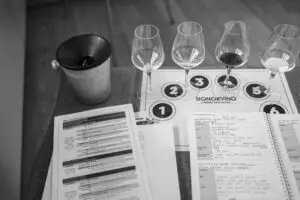
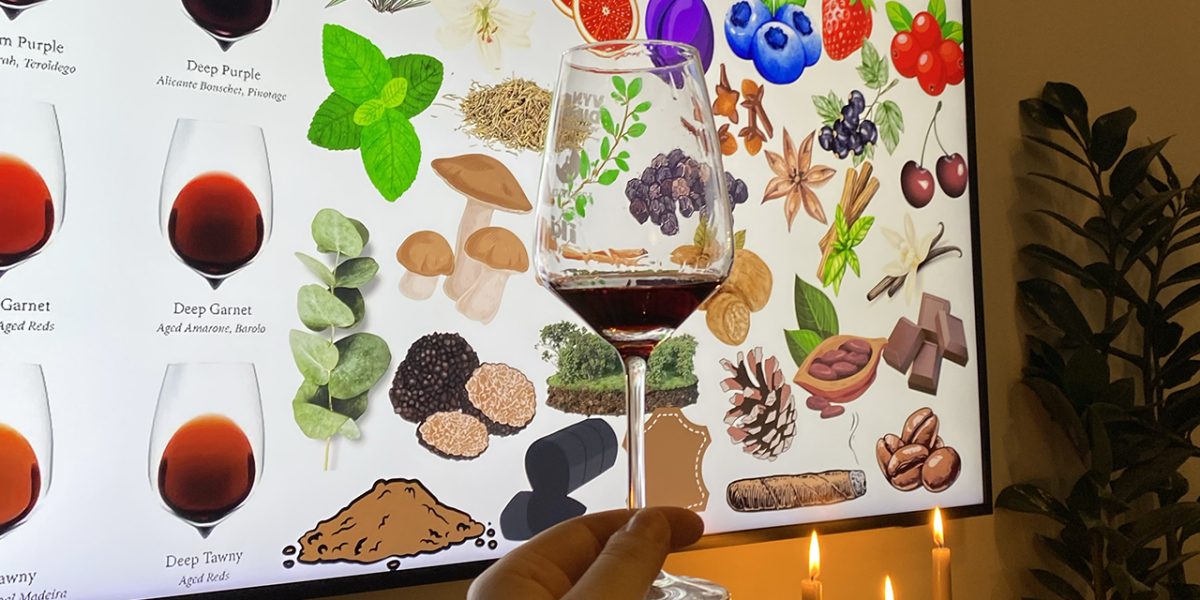
It was the very end of 2024. I had just wrapped up a full year of finally diving into wine, a topic that had been sitting on my bookshelf and vacation agenda for quite some time. I was lucky enough to have friends who shared the same interest, and several of us were completing a sommelier course together. After a year of studying in a classroom, we felt it was time for a change of scenery and collectively came up with the idea to bring a similar tasting format into our homes. Literally.
Gathering crowd with the same goal
A wine tasting club meet-ups can be pure fun, or they can be very structured and educational (to me it’s even more fun, just in a different way). Finding people who share your approach to tasting matters, especially if your goal is education-focused, because tastings can easily drift into a purely social vibe.
We defined early on that we wanted to learn new things about regions and grapes while following a structured blind-tasting format. We were open to newcomers, and throughout the year many people joined us for a session but didn’t stick around. Eventually, the people who resonated with the format stayed and became permanent participants. My tip is to be clear and transparent about what your gatherings are for. It saves everyone time and helps attract the right crowd.
Defining the format
The mechanics of our wine tasting club at home are straightforward. For each session, one person serves as the host, and this role rotates among members. Out of roughly ten people in the group, four of us regularly took on hosting duties (having more hosts would have been helpful). Group size of 10ish people felt ideal for tastings.
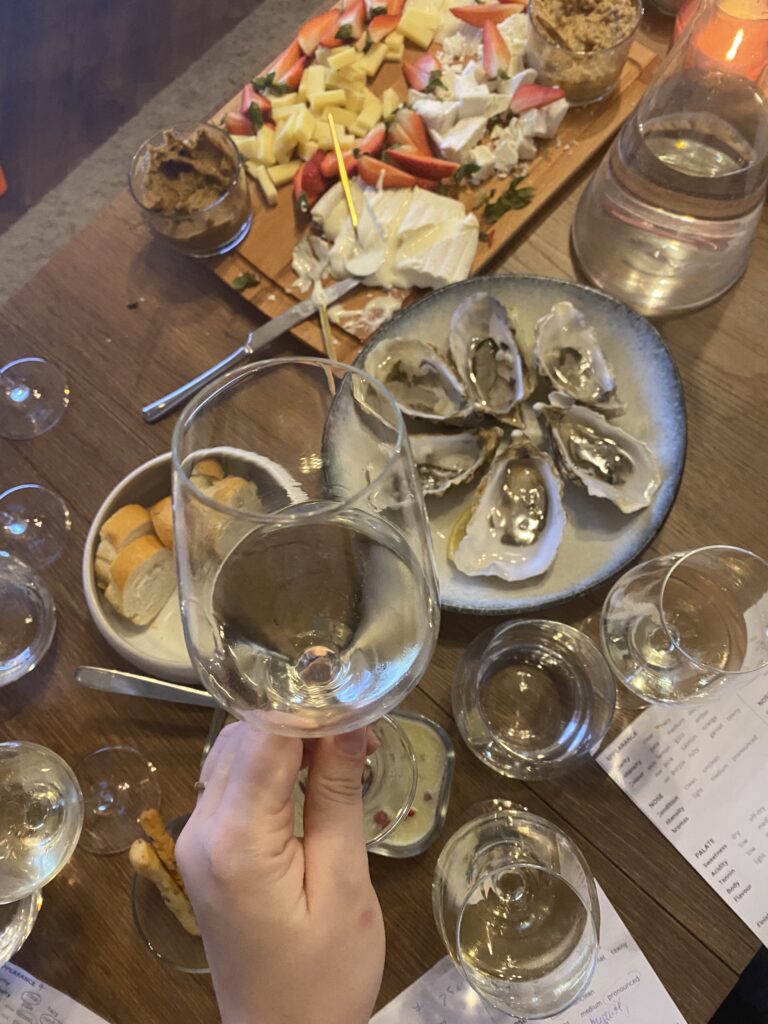
The host decides on the theme of the session, usually focusing on a region or a grape variety. They select and purchase the wines, prepare a short presentation, and choose snacks to pair with each wine. Everyone else contributes a €30 fee and shows up simply ready to taste.
As the number of participants changes from session to session, the budget fluctuates too. The host adjusts the number and selection of bottles accordingly. Collecting the fee in advance helps avoid last-minute cancellations and ensures the host isn’t left covering the cost.
Budget talk
Wine-tasting budgets can vary significantly depending on the market, but it’s absolutely possible to start with wines around €20 a bottle (at least in Europe). Going lower is possible too, but my advice comes from aiming to include at least some wines outside the bulk-producer category. Obviously, I’m not applying this for the world’s most expensive regions here.
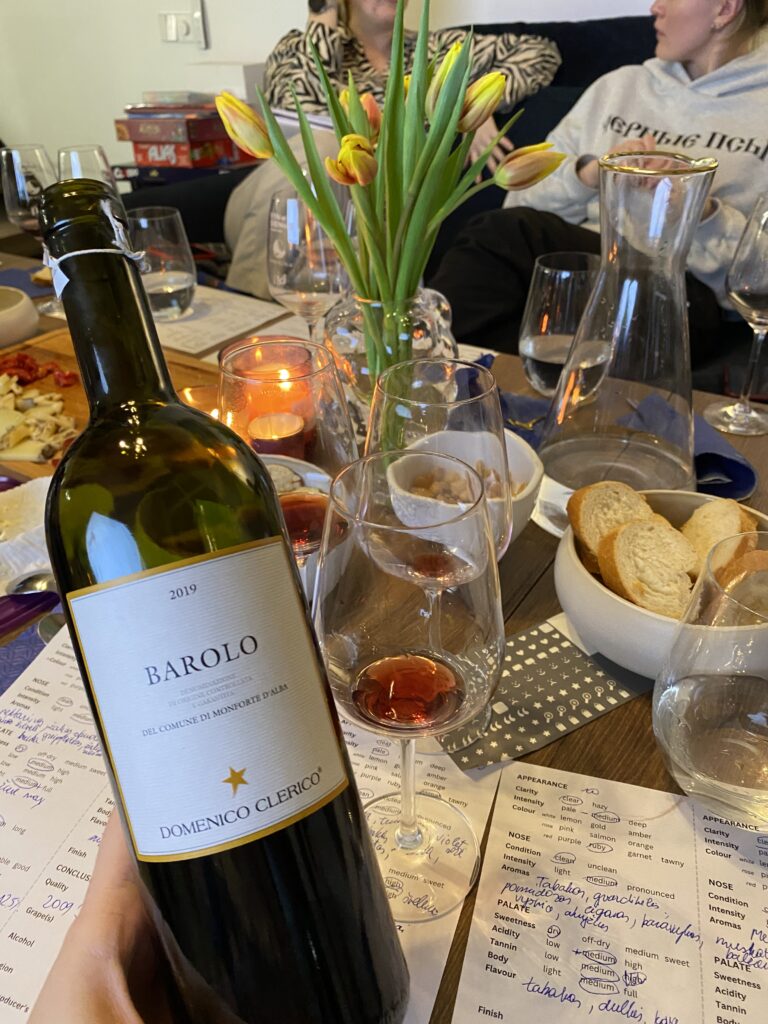
Since most of our club already had some experience with wine, we often mix different price points, typically ranging from €15 to €70. The price-per-bottle mostly depends on the region being discussed. It’s always nice to include a pricier bottle from a great producer, but it’s worth paying attention to whether the wine truly deserves the spotlight or simply carries an impressive price tag.
Quantity versus quality
In a semi-casual wine club, people are usually drinking, and the spittoons aren’t really a thing. Taken into account that people will drink, I’d say focus on the quality. All the gatherings where we had 6-7 bottles were really fun, yet the last wines fell under the category of let’s just enjoy and discuss them, no note-taking.
In my opinion, 4–5 wines per session is the perfect amount. People stay sharp, don’t lose interest, and are much more engaged: they’re keen to compare wines, remember what they tasted, and actually retain the information that came with each bottle.
What’s the actual tasting?
Let’s briefly cover our way of running these tasting sessions. We usually start with about half an hour of theory, covering the main characteristics of the region grapes, climate, and any other important factors that contribute to the wine’s style. Once everyone has a general understanding of what styles dominate the region, we move on to blind tasting.
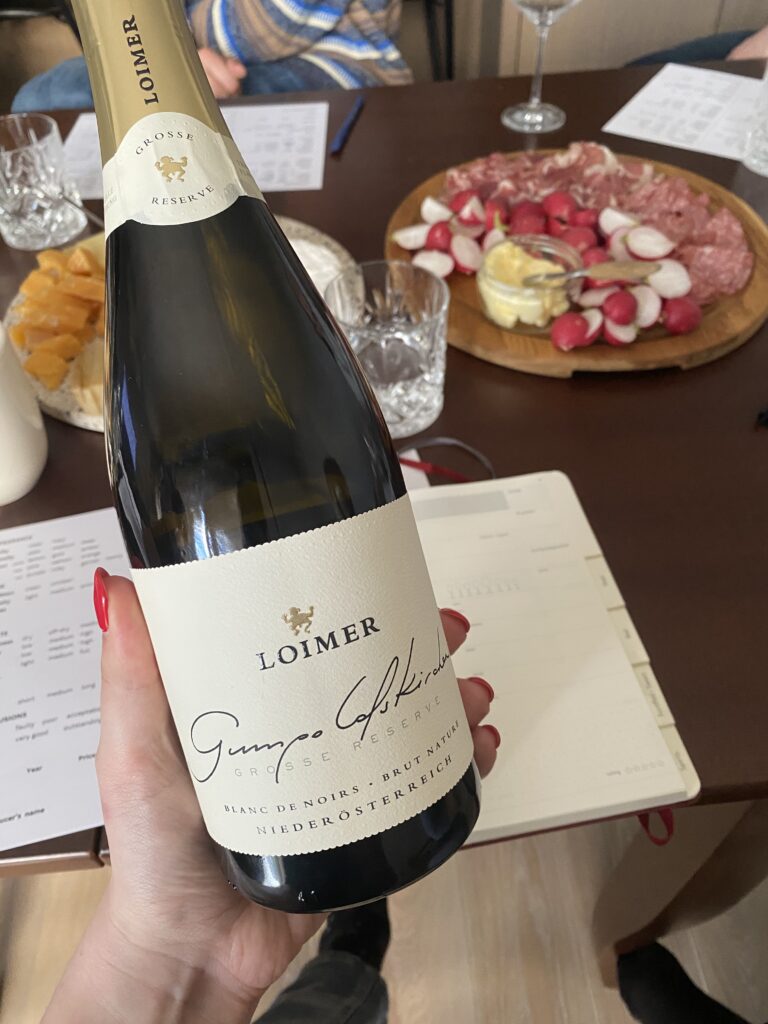
We open the wines one by one and write tasting notes. Based on those notes, we draw conclusions about the wine’s objective quality. We try each wine with its paired snack, usually some type of cheese, and discuss why the pairing works (or doesn’t).
We also share our personal preferences and rate each wine on a 10-point scale. On top of that, we guess the price, grape variety, and the more specific sub-region. Then we reveal the wine and move on to the next one, repeating the same process. We always start with white wines and leave any sweet dessert wines for the end.
Final reflections on giving a wine tasting club a go
Starting a wine tasting club at home for me turned out to be one of the most rewarding ways to learn about wine without – it creates a space where structure and curiosity coexist with good company and interesting opinion exchange. You don’t necessarily need the rare wines, or expert-level knowledge, just a clear format, like-minded people willing to contribute with their knowledge and willingness to focus for tasting thoughtfully.